

In our last blog we covered some of the common misconceptions about suicide prevention; today, let’s dive into what it truly looks like. Suicide prevention is about creating environments where people feel safe, supported, and heard— hopefully, long before they reach a crisis point.
The Rate of People Dying by Suicide in our Country Has Increased
Unfortunately, according to a recent report published in U.S. News and World Report, the U.S. has seen a concerning rise in suicide rates, reaching levels not seen since 1941. The national suicide rate climbed to 14.7 deaths per 100,000 individuals, surpassing the 2022 rate of 14.2. The American Foundation for Suicide Prevention states that these rates signify a 30% increase over the past two decades. So what can we do?
Creating a Safe Environment
Suicide prevention involves creating environments where people feel safe, supported, and heard—long before they reach a breaking point. Building strong support systems is at the heart of this process. In families, friendships, schools, and workplaces, fostering open and non-judgmental communication helps people feel they can express themselves without fear. This foundation of trust makes a significant difference when someone begins to struggle with their mental health. A study published in The Journal of Research in Health Sciences indicated a reduction of suicidal ideation of 18% in people with strong trusting social supports.
The Power of Early Intervention and Resilience
Early intervention is a critical part of suicide prevention. Teaching coping skills and building emotional resilience can prevent minor stressors from snowballing into overwhelming challenges. By promoting mental well-being before people reach a point of crisis, we can better manage life’s ups and downs. It’s not just about addressing mental health when problems arise, but also about equipping people with the tools to handle everyday pressures. For example, the school-based S.O.S. program featured in the American Journal of Public Health has shown a reduction in self-reported suicide attempts by 40%. In fact, school-based programs, in general, are associated with 28%-34% lower odds of suicide attempts among adolescents.
“True suicide prevention is proactive—it’s about ensuring support before someone is in distress.”
Ensuring Access to Comprehensive and Holistic Care
Another crucial element of prevention is ensuring access to comprehensive care. This means addressing not just mental health but also the other challenges that impact well-being, like financial stress, trauma, or substance abuse. A holistic approach recognizes that mental health cannot be separated from other aspects of life. While therapy and professional help are essential, the broader scope of care must include community resources, social support, and sometimes even medical interventions.
Everyone Plays a Role: Your Impact in Prevention
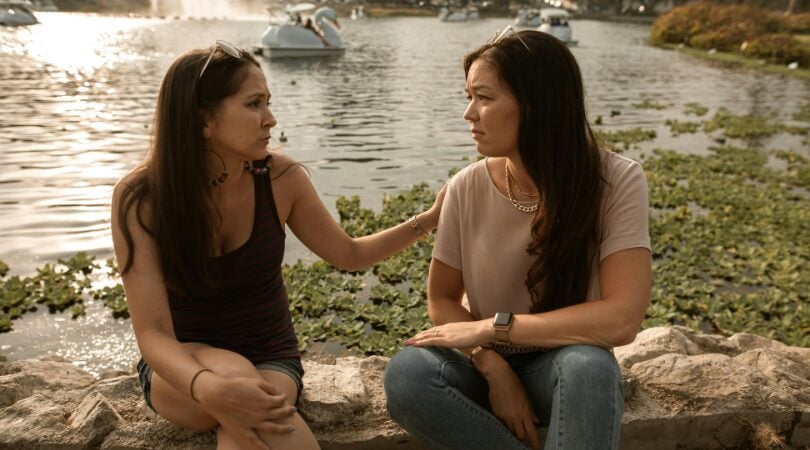
Contrary to popular belief, you don’t need to be a therapist to make a difference in someone’s life. Friends, family, and even coworkers can offer critical support just by being there, listening, and showing empathy. Often, simply being present and validating someone’s feelings is enough to prevent them from feeling completely isolated. In fact, listening with empathy is one of the most powerful tools in suicide prevention. When someone feels truly heard, it can reduce the feelings of hopelessness that often accompany suicidal thoughts.
Not sure what to say? First remember, research has shown that asking someone if they are having thoughts of killing themselves is actually more likely to save a life. Keeping that in mind, here are a few things you can try.
You can start the conversation with “I’ve noticed you seem a bit down lately, and I care about you. Is there anything you’d like to talk about?” If they say, “no” and you are not convinced it is okay to say, “I hear you, but I need to make sure. Are you thinking about hurting yourself or taking your life?” It sounds blunt, because it is, but it does get to the heart of the matter. Some people might balk at being so forward, but I would rather someone be a bit upset or uncomfortable than to leave something unsaid.
Another technique you can use is active listening. Listen without wanting to respond or “fix” what is going on. Instead mirror back what you hear, asking open-ended questions, and reserving judgment. At the end of the conversation just ask, “How can I help?”
A Community Effort: Support is Always Available
Some resources that can be helpful include the National Suicide Lifeline at 988 that provides free and confidential support for people in distress. Also, the Ohio CareLine is an emotional support call service created by the Ohio Department of Mental Health and Addiction Services that offers confidential support in times of crisis. They can be reached at 800-720-9616. For text based help you can text 4HOPE to 741741. Plus you can check with your school or workplace. School guidance counselors are there to help and workplace health plans often have Employee Assistance Plans that you can call for help .
Suicide prevention is a holistic and community-based effort. It requires building supportive relationships, promoting mental well-being, and ensuring access to comprehensive care. Most importantly, it involves listening without judgment and offering ongoing empathy and support. Your presence and empathy can be a lifeline. Share this post to help others understand the true nature of suicide prevention, and remember, support is always available.